Category: Fitness Coaching

You Don’t Build Your Body in the Gym. You Build It in the Moments No One Sees

There’s something so satisfying about finishing a hard workout. The sweat, the burn, the sense of accomplishment and the massive feeling of progress. And in many ways, it is. But here’s the uncomfortable truth most people don’t talk about: the workout itself is only a small part of the transformation, without the rest, you never really move fully forwards.

You don’t actually build your body in the gym.

You build it in the hours that follow, when no one is watching, when there’s no music pumping, no mirrors reflecting effort, no one to impress. It’s in the quiet decisions, the small habits, and the discipline you show when motivation fades that shape your results.

After you leave the gym, the real work begins.

It’s in the choice between cooking a proper meal or grabbing something quick and processed. It’s in whether you prioritise protein, hydration, and nutrients or just go for convenience. Your body doesn’t grow stronger while you’re lifting weights; it grows when you give it what it needs to recover. Without that, even the best training program falls short.

It’s also in your sleep. Skipping rest might feel harmless, even productive, but it’s one of the fastest ways to stall progress. Recovery isn’t laziness, it’s essential in making progress. Muscles repair and energy stores replenish while you sleep. Consistently cutting corners here quietly undermines everything you worked for earlier in the day.

Then there’s consistency. The unglamorous, often overlooked cornerstone of change. Anyone can have a great workout when they feel motivated. But what about the days when you don’t? What about the evenings when you’re tired, the weekends when routines break, or the moments when no one would know if you skipped your plan?

Those are the moments that matter most.

Because building your body isn’t about intensity alone, it’s about repetition. It’s about stacking small, correct decisions over time until they become part of who you are. One healthy meal won’t transform you, just like one missed workout won’t ruin you. But patterns? Patterns define outcomes.

And the truth is, nobody applauds those invisible choices.

No one sees you turning down junk food. No one notices when you go to bed early instead of scrolling your phone. No one tracks the extra glass of water, the disciplined food shop, or the decision to stay consistent when it would be easier not to.

But your body notices. And you know it too.

Every single one of those choices sends a signal. Over time, those signals add up and shape your energy, your strength, your physique, and your mindset.

The gym is just the trigger. Your lifestyle is the result.

I make big decisions and focus on getting the hours of sleep that I need, the balance of what I eat in the week, with protein days and carb days. And keeping to routine that matters and holds me accountable and ultimately keeps me feeling good.

So if you’ve been feeling stuck or frustrated, take a step back and look beyond your workouts. Ask yourself: what happens after? Are your habits aligned with your goals, or are they quietly working against them?
Because in the end, the difference between where you are and where you want to be isn’t found in a single workout, it’s found in the decisions you make when the workout is over. Need some help getting there? Let me help you.


10 Habits I Do Now That I Wish I Started 10 Years Ago

If I could go back 10 years and give my younger self some advice, it wouldn’t be complicated. It wouldn’t involve some extreme fitness routine, a perfect diet, or a complete life overhaul.

It would be simple habits. Small things. Done consistently.

Because that’s what actually changes your health, your energy, and your life over time.

Here are 10 habits I do now that I genuinely wish I had started a decade earlier.


1. Walking every day (even 10 minutes counts)

Movement doesn’t need to be intense to be effective. A simple daily walk clears your mind, boosts your mood, and keeps your body active. Even 10 minutes is worth it. Consistency beats perfection every time.


2. Intermittent fasting

Giving your body a break from constant eating can improve energy, focus, and appetite control. It simplifies nutrition and helps you become more aware of real hunger vs habit.


3. Drinking water as soon as I wake up

Before coffee. Before checking my phone. Before anything. Hydrating first thing helps wake up your body, supports digestion, and sets the tone for healthier choices all day.


4. Lifting weights three times a week

Strength training isn’t just about looking better,  it’s about staying capable, strong, and resilient as you age. Three sessions a week is enough to build muscle, protect joints, and boost metabolism.


5. Hitting a daily step target (8,000–10,000 steps)

This one adds up more than people realise.
Walking 8,000–10,000 steps a day equals roughly 70 marathons a year.
Small daily movement creates massive long-term impact.


6. Planning ahead (food, exercise, life)

If it’s not planned, it’s usually skipped.
Planning meals, workouts, and even busy days removes decision fatigue and keeps you consistent when motivation dips.


7. No alcohol

Removing alcohol improved my sleep, recovery, focus, and overall health more than I expected. What started as an experiment became a lifestyle.


8. Eating mostly whole foods

Real food fuels your body properly.
Less processing, more nutrients, better energy, and fewer cravings. Simple rule: if it looks like it came from nature, it’s probably a good choice.


9. A proper sleep routine (no late bedtimes)

Sleep is the foundation of everything,  fat loss, muscle growth, mood, focus, and long-term health. Going to bed at a consistent time changed how I feel more than any supplement ever could.


10. Tracking just ONE thing

You don’t need to track everything. That’s overwhelming and unsustainable.

Pick one thing:

  • Steps

  • Protein intake

  • Workouts

  • Sleep

  • Calories

Focus on that single habit until it becomes automatic. Then build from there.


If You Feel Overwhelmed, Start Here

You don’t need to change your entire life this week.

Just pick one habit.
Do it for 7 days.
Then add another.
And another.

That’s how real change happens, gradually, consistently, sustainably.

Ten years from now, you’ll either wish you started today…0r you’ll be glad you did.

Interested in guidance getting into a new routine? Lets chat about how we can get you started on the to a happier you 10 years from now.


Let’s Talk Food Again: A Simple Rule of Thumb for Eating Better

When it comes to nutrition, things can get confusing fast. One minute a study tells you this food is good, the next minute it tells you that food is bad. But in reality, eating well doesn’t have to be complicated. In fact, there’s one simple rule of thumb that can dramatically improve the way you eat:


The less your food looks like it came from a farm, the worse it probably is for you.

Think about it. If your food looks like something Mother Nature made, like an apple, a chicken breast, a handful of nuts, a bunch of salad. You’re likely on the right track. These foods that are close to their natural state, packed with nutrients, and give your body what it actually needs.


If it comes wrapped in bright packaging with a list of ingredients you can’t pronounce… chances are, it’s not doing you any favors. Our bodies were not made for these.

Overly processed food tends to be high in sugar, full of bad fats and artificial flavours and colours. And they are designed to keep you eating, buying more, craving more.

Real food should fill your hunger.

Next time you are shopping or looking at what to eat. Think about how it looks. Is it from the farm or the factory. Your body will thank you. I focus heavily on whole, natural foods, and avoiding processed foods. Need help and advice with your diet, nutrition and combining this with your training? Let’s have a chat and see how we can work together.


Is the gym really expensive or are we just asking the wrong question.

When was the last time you questioned the cost of a night out though, a couple of drinks, an appetizer for the sake of it, travel out and back maybe snacks on the way home. Suddenly a night out is just as much if not more than a month at the gym. Yet it probably wasn’t even questioned.

We value the instant buzz and pleasure of a nightout. Where as we have a million excuses about the gym.

One of them gives you energy, confidence, endorphins, progress and clarity and the other gives you a hangover and often regret. Yet we often say the one that increases you mood, boosts your health and quality of life as the one that is too expensive.

A big question for everyone should be: What do you want your money to do.

Buy a nightout that was not that rememberable or one that pays you back with confidence and feel good every day.

Maybe thats the real question. I think most people would choose the gym option and confidence building if they spent more time to think about it.

If the gym sounds confusing or scary to you. It’s so common to feel that way,  more people than you’d guess walk into the gym feeling intimidated, out of place, or like everyone is watching them.Or some people will simply feel lost with how you could to get started.

I’m here for you. Get in touch today and let’s talk through your goals and aims and we can go from there.


Training For Longevity

Forget the Summer Body — I’m Training for the Old Man Body

Every year, as the weather warms up, social media lights up with a familiar rallying cry: “Summer body season is here!”You know the drill — crash diets, high-rep workouts, fasted cardio, all in the name of looking good on the beach for a few fleeting weeks.

But lately, I’ve found myself asking a different question: What about the rest of the year? Or better yet — what about the rest of my life?

I’m not training for the summer body anymore.
I’m training for the old man body.

What is the “Old Man Body”?

I’m not talking about shrinking into the background with brittle bones and a stiff back. I’m talking about the kind of old man who moves with quiet confidence. Who can lift groceries without thinking twice. Who doesn’t fear a slip on the stairs. Who remembers names, stories, and where he left his damn keys. The kind of old man who still plays, still laughs, and still lives.

That’s who I want to be.
That’s who I’m training for.

Strong Bones

Muscle is great, but it’s nothing without a solid foundation. As we age, bone density naturally declines — unless we do something about it. Resistance training, impact loading, proper nutrition with adequate calcium and vitamin D — these aren’t just “fitness tips,” they’re long-term health investments.

Squats, deadlifts, pull-ups — these aren’t just for young guns chasing aesthetics. They’re for the future me, making sure my bones are strong enough to carry me into my 70s, 80s, and beyond.

Training with ADHD in Mind

As someone with ADHD, I’ve learned that training and nutrition aren’t just about the physical — they’re critical tools for managing focus, energy, and emotion. When I move my body regularly and fuel it well, I think more clearly, I’m less reactive, and I feel grounded.

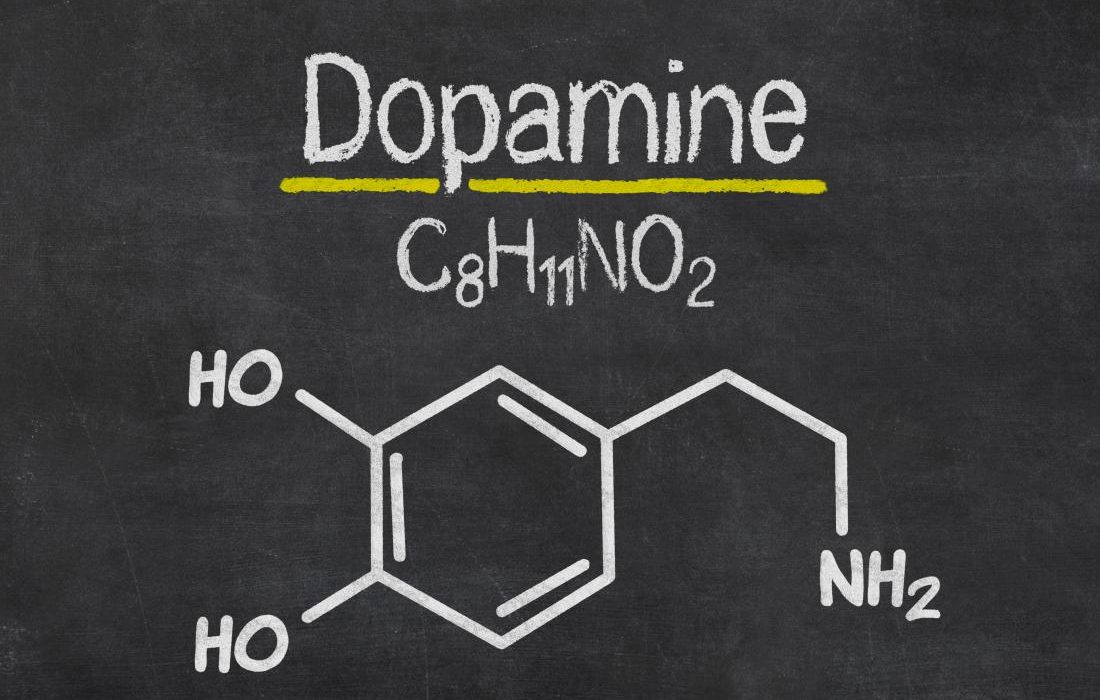
Exercise helps regulate dopamine, that key brain chemical ADHD brains often struggle to balance. And eating real, consistent meals (with enough protein, healthy fats, and fiber) helps me avoid the blood sugar rollercoasters that crash my mood and scatter my focus.

This isn’t just about staying fit — it’s about staying functional.
Not just for now, but for the decades ahead. I don’t want to just  survive with ADHD as I age — I want to keep living.

In It for the Long Haul

This isn’t about vanity. It’s not about six-week programs or photo ops in front of mirrors. This is about longevity, resilience, and quality of life. I’m playing the long game.

So no, I’m not chasing the summer body anymore. That ship has sailed — and honestly, I don’t miss it.

I’m training for the old man body.
The strong, steady, sharp version of myself I plan to be decades from now.

And every rep I do today is a promise to that future version of me:

Want to level up your future? Lets chat about how I can help you.


The Psychology Behind Fitness Addiction????

Fitness is often celebrated as a healthy habit—but what happens when it goes too far?

Fitness addiction is a behavioral issue where the need to exercise becomes compulsive and damaging, even when rest is needed. What makes it tricky? Society often praises overtraining as “discipline” or “grind,” masking deeper struggles underneath.

Why Does It Happen?

At the core, exercise triggers a dopamine rush, which can feel euphoric. For some, this becomes a coping mechanism—especially when dealing with stress, anxiety, or low self-worth. Over time, the gym becomes not just a habit, but an emotional crutch.

Many fitness addicts:

  • Tie self-worth to performance or appearance.

  • Feel anxious or guilty on rest days.

  • Fear losing progress, gaining weight, or seeming “lazy.

Signs to Watch For:

  • Skipping rest despite fatigue or injury

  • Feeling guilty when missing a workout

  • Prioritizing workouts over relationships or responsibilities

  • Exercising solely to “burn off” food

Healing with Fitness

Breaking the cycle starts with awareness. Try shifting from how you look goals to how movement feels. Integrate rest and variety. Seek support from a therapist or coach if needed. Fitness should be empowering, not punishing.

Final Thought

You can love fitness without being consumed by it. Exercise is a tool—not your identity. The goal is movement that supports your life and makes you feel better, not movement that is your life. And stops everything else from happening.


Chasing Highs: The Search for Dopamine in Everyday Life

Lets dive into our modern habits—from fitness and social media to shopping and workaholism—and how all of these are tied to our brain’s craving for dopamine. Here we unpack why we’re constantly seeking stimulation, how it affects our mental health, and how to rebalance for lasting well-being.

Fitness addiction is a behavioral issue where the need to exercise becomes compulsive and damaging, even when rest is needed. What makes it tricky? Society often praises overtraining as “discipline” or “grind,” masking deeper struggles underneath.

1. So, put simply, what Is Dopamine really

A quick explanation: Dopamine is a neurotransmitter associated with reward, motivation, and pleasure. It’s not about happiness—it’s about wanting and how the brain learns to associate certain behaviors with dopamine release.

2. Modern methods of dopamine

  • Social media (likes, scrolling, FOMO)

  • Exercise and fitness highs

  • Shopping, food, caffeine, even productivity

  • Reading a book

  • Saunas/cold plunges

3. How does fitness tie in?

Exercise naturally boosts dopamine, but overuse can become addictive. The danger of chasing the “runner’s high” to cope with stress or emptiness.

Dopamine is released when you anticipate or receive a reward. In fitness, those rewards might be:

  • Physical changes (e.g., muscle tone, weight loss)

  • Achievement (e.g., running a 5K, lifting heavier)

  • Social validation (e.g., likes on a progress post)

  • App-based goals (e.g., streaks, rings, leaderboards

6. Final Thoughts

Dopamine isn’t the enemy, but our relationship with it matters. True satisfaction doesn’t come from constant highs, but from sustainable habits, real connection, and a deeper understanding of ourselves. In a world that constantly rewards extremes, the real power is in balance. Your workouts should fuel your life, not dominate it. By understanding the role dopamine plays in fitness, you can build habits that are energizing and feel good, but not exhausting and causing burnout.

To rebalance dopamine I often celebrate consistency over intensity, embrace rest days and rest periods and also remember to do low and slow releasing dopamine activities such as Grounding, walking without music or my phone, and training outdoors to connect more with nature.


Why Rest and Recovery Are Just as Important as Your Workout


We’ve all been there: you’ve had a killer workout, and you’re feeling on top of the world. But here’s the thing — if you’re not giving your body enough time to rest and recover, you’re probably doing more harm than good. It’s easy to think that more workouts equal more progress, but rest is just as crucial for hitting your fitness goals.

Let’s dive into why rest and recovery matter so much.


Why Rest Is Key to Your Fitness Progress

Your muscles need time to grow when you hit the gym, especially if you’re lifting heavy or pushing yourself hard, you’re actually breaking down muscle fibers. When you rest, your body repairs these tiny tears, making your muscles stronger and bigger.
Overtraining is real, and it’s a quick way to burn out. If you’re constantly pushing yourself without proper rest, you might start feeling extra tired, stressed, or even moody. Your performance can drop, and injuries can sneak up on you.

How to Add More Rest and Recovery to Your Routine

Now that we know why rest is so important, let’s talk about how to make it a part of your fitness routine. You don’t have to just sit on the sofa all day. Here are some ways to recover like a pro:

Active recovery days are all about keeping your body moving at a low intensity — things like walking, light cycling, or yoga.

Sleep: Your ultimate recovery tool, sleep, is where the magic happens. Your muscles repair themselves while you sleep, and your body does a lot of its healing and rebuilding during deep sleep. Aim for 7-9 hours a night, and create a sleep routine that helps you wind down

Fuel your body right with the right food. After a workout, your muscles need protein to repair themselves. Try to eat a balanced meal with protein and carbs within an hour or so after your workout.

What Do I Do?

Rather than having specific days of the week dedicated to rest I like to listen to my body and take them when I need them, and I’ll usually have 1-2 fuel rest days from the gym per week. I never like to take back-to-back rest days unless my schedule really doesn’t allow it because I find it can disrupt my momentum. I will always go for a walk on a rest day and make sure it’s a 10k+ steps day but that’s often because I’m like a fidgeting ADHDer not knowing what to do myself. Having said that every 12-16 weeks or so I will take one full week off the gym which is always mentally tough when I’m used to the habit but very rejuvenating from a deeper recovery perspective.

Conclusion: Rest Isn’t Lazy — It’s Smart

Rest and recovery aren’t just about taking a break from your workouts; they’re an essential part of the process. Without proper recovery, your muscles can’t grow, your performance suffers, and you increase the risk of injury.

Want to expand on your daily routine? Both in the gym and out of the gym, get in touch today and lets get started.


Bulking Season – 5 things I’m doing to Bulk Up

When it comes to fitness and bodybuilding, one term that often gets a lot of attention is “bulking.” Bulking is the process of intentionally consuming more calories than your body needs in order to gain muscle mass. For many fitness enthusiasts, bulking is seen as an essential phase in their journey to building strength, size, and achieving overall fitness goals.


As you may have seen on my Instagram, I am on a mission to bulk up to 100kg before Summer hits and I thought I would share a few tips on how I plan on reaching my goal.


  1. Lifting heavier – Pushing more weigh on everything while keeping that mind-muscle connection on point. No ego lifts, just controlled brutality.
  2. Prioritising sleep – In bed by 10pm, up early as always.
  3. Upping the carbs – More complex, nutrient dense carbs, with the simple ones saved for post-training refuels. More fuel=more growth.
  4. Less cardio – More brute force. – Still smashing my steps, but HIIT is on hold while I embrace the art of lifting heavy and often.
  5. Prepping and planning – Meal prep is locked in, supplements stocked, and I’m staying one step ahead of the chaos of modern life. If you don’t plan, you’ll get steamrolled


Want to to talk about your health and fitness goals? Get in contact today and let’s have a chat.


Move Better     |     Think Better     |     Live Better

Move Better 
Think Better  |  Live Better

Privacy Settings
We use cookies to enhance your experience while using our website. If you are using our Services via a browser you can restrict, block or remove cookies through your web browser settings. We also use content and scripts from third parties that may use tracking technologies.
Youtube
Consent to display content from - Youtube
Vimeo
Consent to display content from - Vimeo
Google Maps
Consent to display content from - Google