Category: Fitness Coaching

A Holistic Approach to Managing My ADHD

For those managing ADHD, navigating treatment options can be a journey of trial and error.


While stimulant medications can offer benefits, some, myself included, seek a more holistic approach to managing symptoms. This mindset shift emphasises addressing the root causes rather than simply treating symptoms. In my personal experience, exercise, nutrition, and lifestyle adjustments have provided powerful alternatives to medication, particularly high-intensity exercise. Here’s how a holistic strategy can work:

1️. Improved Focus Through High-Intensity Exercise

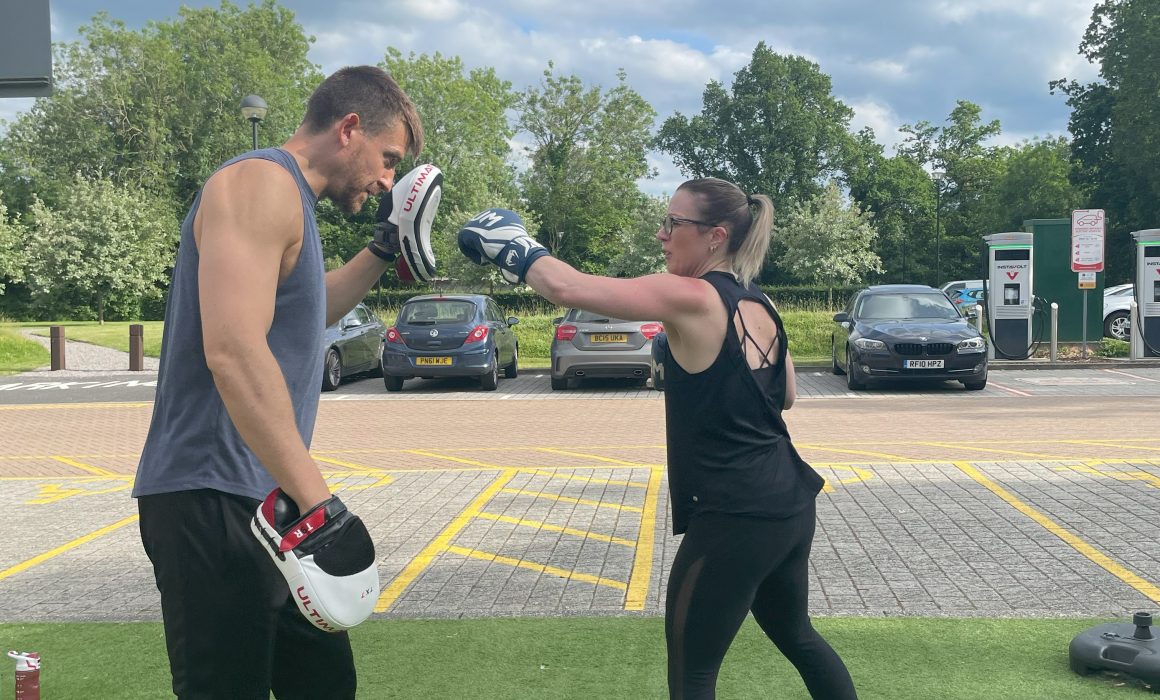
For those with ADHD, managing focus, mood, and impulsivity can be challenging, but high-intensity exercise has made a big difference for me. Short, intense workouts like boxing boost concentration and create a mental equilibrium that lasts beyond the gym, similar to how stimulants work, but without side effects. The endorphin release naturally lifts mood and reduces stress, helping manage emotional ups and downs. Plus, the discipline required builds self-control, making it easier to manage impulses and make healthier choices.

2. Nutrition and Blood Sugar Management

I also learned how sensitive my body is to processed foods and sugar spikes, which can seriously impact ADHD symptoms. After a heavy dose of processed food, I feel terrible both mentally and physically. Reducing refined carbs and sugar, as well as practicing intermittent fasting, has made a noticeable difference in my overall well-being. While fruit juice and sugary treats may offer a temporary boost, they lead to crashes that worsen focus and mood. By limiting these indulgences, I’ve been able to keep my energy levels and mental clarity much more stable.

3. A Holistic Lifestyle for Mental, Physical, and Spiritual Balance

For me, combining high-intensity exercise with low-carb eating and mindful choices has been key to staying mentally, physically, and spiritually balanced. It’s not always easy—especially with that “grass is greener” thinking that so often comes with ADHD—but I’ve learned what works for me. While medications once played a role in managing my symptoms, I’ve found a natural, holistic approach that helps me thrive without them.

It’s important to note that I’m not qualified to give official medical advice, but my personal experience has led me down this holistic path. For anyone exploring ADHD management, it’s about finding what works best for your unique needs—whether that’s medication, lifestyle changes, or a mix of both.

Through a combination of intense workouts, mindful eating, and mindfulness, I’ve found a balance that supports my focus, mood, and well-being. ADHD management is deeply personal, and while medication might be a great tool for some, a holistic approach that includes exercise and nutrition has been the right fit for me.

If you’re interested in taking a more holistic route to ADHD management, incorporating these strategies could make a significant difference.


How Do You Define Healthy?

The Bigger Picture of Health


When we think about being healthy, it’s easy to get caught up in the buzz of exercise routines and trendy diets. However, the true essence of health extends far beyond these aspects. To truly understand what it means to be healthy, we must consider the bigger picture.

Focusing on small, daily habits is where the real power lies. These habits include:

  • Step Count: How many steps do you take each day? Incorporating more movement into your routine can significantly impact your overall health. Simple activities like walking to work or taking the stairs can make a difference.
  • Screen Time: How much time do you spend in front of screens? Reducing screen time can help improve your mental and physical well-being. Too much screen time is associated with eye strain, poor posture, and even mental health issues like anxiety and depression.
  • Sleep: Are you getting enough quality sleep? Sleep is crucial for recovery, energy, and overall health. Lack of sleep can lead to a range of health problems, including weakened immunity, weight gain, and cognitive decline.
  • Whole Foods: Do you eat too many processed foods? Basing your diet on whole foods instead of following fad diets or having too many processed foods will ensure you are eating nutritious foods to fuel your body.
Beyond Diet and Exercise

Of course, exercise and nutrition are vital components of a healthy lifestyle. The Harvard Alumni Study, a long-term research project, has shown that regular physical activity is associated with a lower risk of mortality. According to the study, men who engaged in moderate to vigorous physical activity had a significantly lower risk of death compared to their inactive peers. This highlights the importance of regular exercise in promoting longevity and overall health.
However, relying solely on a fad diet and an hour of exercise each day isn’t enough to achieve long-term health and well-being. Instead, it’s the small, consistent daily habits that lead to sustainable results. For instance, maintaining a balanced diet rich in fruits, vegetables, whole grains, and lean proteins is more beneficial than following extreme diets that are hard to maintain in the long run.

The Power of Consistency

Small daily habits are the foundation of consistency and long-term success. Whether it’s taking the stairs instead of the elevator, choosing a healthy snack over junk food, or simply taking a moment to breathe and relax, these small actions add up over time and contribute to a healthier lifestyle.
Consistency is key. It’s about making manageable changes that you can stick with. For example, instead of aiming for an intense workout every day, start with a 20-minute walk and gradually increase your activity level. Instead of cutting out entire food groups, focus on portion control and making healthier choices.

Integrating Mindfulness

Another critical aspect of health that is often overlooked is mindfulness. Incorporating mindfulness into your daily routine can help reduce stress, improve mental clarity, and promote emotional well-being. Practices such as meditation, deep breathing exercises, grounding practices and even taking a few minutes to be present in the moment can significantly impact your overall health.

Community and Social Connections

Lastly, don’t underestimate the power of social connections. Engaging with a supportive community can enhance your sense of belonging and improve your mental health. Whether it’s spending time with family and friends, joining a club, or participating in community activities, these interactions can provide emotional support and reduce feelings of loneliness.

Drop me a message to see how I can help you reach your goals


Enhance Your Resistance Training

The Perfect Trio of Light Cardio, Yoga, and Pilates

Now everyone knows I am all about resistance training being the cornerstone of a fitness programme, it is vital to build muscle, enhance strength, and improve overall body composition. But I also find it helpful to include other forms of exercise such as cardio, yoga and Pilates which will complement your resistance training, creating a holistic approach to fitness.

      1. Light Cardio: Boosting Heart Health and Endurance
        Why Light Cardio?
        Light cardio, such as brisk walking, cycling, or swimming, is an excellent complement to resistance training. While resistance training primarily focuses on building muscle strength and mass, light cardio enhances cardiovascular health, increases stamina, and aids in recovery by promoting blood flow to the muscles.
        Benefits:
        Heart Health: Regular cardio exercise strengthens the heart, making it more efficient at pumping blood and delivering oxygen to muscles.
        Calorie Burn: Cardio helps in burning calories, which can assist in maintaining a healthy weight or losing excess fat.
        Improved Recovery: Engaging in light cardio on rest days can aid in muscle recovery by increasing circulation and reducing muscle soreness.
        How to Incorporate:
        If you are hitting your step goal every day, look to increase it each day by doing an extra walk or on a rest day activities like a bike ride or swim are perfect choices.
      2. Yoga: Enhancing Flexibility and Mental Wellness
        Why Yoga?
        Yoga is a powerful practice that focuses on flexibility, balance, and mental clarity. It complements resistance training by enhancing muscle elasticity, preventing injuries, and promoting mental relaxation. The practice of yoga also encourages mindfulness and deep breathing, which can reduce stress and improve overall mental health.
        Benefits:
        Flexibility: Regular yoga practice helps increase the range of motion in joints and muscles, reducing the risk of injuries.
        Balance and Stability: Many yoga poses improve balance and core strength, which are beneficial for performing resistance exercises with proper form.
        Stress Reduction: Yoga’s emphasis on mindfulness and controlled breathing can significantly reduce stress and improve mental well-being.
        How to Incorporate:
        Include yoga sessions 2-3 times a week, either on your off days or as a cool-down routine after resistance training. A 30-minute session focusing on stretching and breathing can make a significant difference. Online classes, apps, or local studios can offer guided sessions suitable for all levels.
      3. Pilates: Strengthening the Core and Improving Posture
        Why Pilates?
        Pilates is a low-impact exercise that focuses on core strength, stability, and posture. It complements resistance training by targeting the deep muscles of the abdomen and back, which are crucial for maintaining proper form and preventing injuries during weightlifting.
        Benefits:
        Core Strength: Pilates exercises are designed to strengthen the core muscles, which support the spine and improve overall body stability.
        Posture Improvement: Regular Pilates practice helps correct postural imbalances, enhancing alignment and reducing the risk of back pain.
        Muscle Endurance: Pilates involves controlled movements that increase muscle endurance without the bulk, contributing to a leaner physique.
        How to Incorporate:

        Incorporate Pilates workouts 1-2 times a week. These can be done on rest days or as a complement to your resistance training. Many fitness centres offer Pilates classes, or you can follow online tutorials tailored to different fitness levels.

I have found adding extra exercises can help your resistance training routine. Light cardio boosts cardiovascular health and aids recovery, yoga enhances flexibility and mental well-being, and Pilates strengthens the core and improves posture. By blending these exercises, you’ll not only build strength but also enhance your overall fitness and wellness. So, next time you plan your workout schedule, remember to add this powerful trio for a comprehensive approach to health and fitness.

Drop me a message to see how I can help you reach your goals


Sobriety, is it a fad or a cultural shift?

 Not drinking alcohol is increasingly being embraced as a lifestyle choice that promotes wellness and mindfulness.


Not drinking alcohol is increasingly being embraced as a lifestyle choice that promotes wellness and mindfulness. The sober movement is gaining momentum, with more people recognising the benefits of a life free of alcohol. 

I haven’t drunk alcohol for a very long time, and most people assume it’s because I have had a past problem with it, but that couldn’t be further from the truth. There are several reasons I don’t drink and I find it utterly mind-boggling that people have to justify why they choose not to drink. However there is a growing recognition that sobriety doesn’t mean missing out—it means gaining clarity, focus, and a renewed sense of well-being.

It’s easy to get caught up in habits and routines that may not necessarily align with our goals for physical and mental well-being. For many, alcohol consumption has been a staple in social gatherings and relaxation rituals. However, as awareness grows about the impact of alcohol on our health and lifestyle, a shift towards sobriety is becoming more popular. 

As someone who prioritises physical fitness and mental clarity, here are the reasons I choose not to drink alcohol.

  1. Aligning with Fitness Goals: I think a lot about my physical fitness goals and want to diminish anything that is a net negative and takes me in the opposite direction.
  1. Maintaining Momentum: I feel like I’m always either in an upward or downward spiral and drinking regularly would take me to a downward trajectory meaning I’d recruit more bad habits and some of my better habits would erode.
  2. Clarity and Focus: Having ADHD means I struggle to focus at the best of times and I  like to keep my head clear, alcohol would definitely compromise that. Whether it’s from lack of sleep, cravings etc.
  3. Calorie Consciousness: Being mindful of what I consume is a big part of my lifestyle, and I find that alcohol simply isn’t worth the empty calories. I am greedy and eat a lot! I don’t enjoy the taste of alcohol and feel it is a waste of calories.
  4. It’s Toxic: As more research comes to light about the effects it has on mood, physical health and how it can affect relationships it is clear that alcohol is not only empty calories, it is also something that doesn’t do you any good.

Beyond personal reasons, sobriety is increasingly embraced as a lifestyle choice that promotes wellness and mindfulness. The sober movement is gaining momentum, with more people recognising the benefits of a life free from alcohol’s influence. 

I have personally never struggled with not drinking alcohol and for me, it was a natural progression for my training goals and lifestyle. What I struggle with sometimes is justifying why I don’t drink. I think people are quick to assume I’ve had a past problem with alcohol, which isn’t the case for me. However, after a social event, I know I’ll wake up fresh in the morning while others will wake up feeling groggy. I encourage my clients to reduce or cut out alcohol to help them embrace their Mind over MATTer plan.


Why I love what I do

I love coaching, working with different people and helping them to achieve their goals.


I recently posted on my socials about how my job as a Personal Trainer has evolved and given me so much purpose that coaching people has almost become an obsession.  

Through my experience, I’ve come to understand that my job extends far beyond just helping clients achieve their fitness goals. It’s about fostering a mindset shift, empowering individuals to take control of their health, and ultimately, transforming lives. I recently relaunched my online coaching programme as I wanted to highlight all the elements included and as a result “Mind Over MATTer” was developed. 

This is a philosophy that embodies the profound connection between mental wellness and physical well-being.

From the outset, I was drawn to the field of personal training by a deep-seated passion for health and fitness. The more people I worked with, the more it was apparent that the physical aesthetic was not the only element of a client that changed.  More often than not, the biggest shift happened in their mind and emotions. Through being a PT I was helping my clients find empowerment, confidence, and a renewed sense of self.

Over the years I have studied psychology, mindfulness, and behaviour change techniques, to understand motivation, discipline and resilience better. I have attended workshops and spent countless hours reading science-backed research in pursuit of a deeper understanding of what drives lasting change.

I really believe that for change to be long-lasting a whole-body approach is the best way forward. I found that by helping clients cultivate a resilient mindset – one rooted in self-awareness, positivity, and determination – I could amplify the impact of their physical training and nutrition and set them on a path to long-term success.

In case it wasn’t clear, I absolutely love my ‘job’! Every day I am filled with gratitude for the opportunity to make a meaningful difference in the lives of others. Every day, I witness the incredible resilience and determination of my clients as they push themselves beyond their comfort zones and embrace their full potential. And in those moments, I’m reminded that there’s no greater reward than helping others discover the power of their own minds – and the limitless possibilities that lie within. If you want to discuss any aspect of your health with me, please drop me a message, I’d love to chat, fill in the form here and I’ll get back to you ASAP!


10 tips for fueling your body

To thrive in your goals, fueling your body with good nutrition is essential.


Whether you’re aiming to lose weight, build muscle, or simply maintain a balanced diet, hitting your nutrition goals is essential.

Yet, with so much information and misinformation available, it can be overwhelming. Below is my 10-point guide to give you confidence in reaching your nutrition goals with confidence.

  1. Define Your Goals
    Before embarking on any journey, clarity is key. Ask yourself: What do I want to achieve with my nutrition? Whether you want to lose weight, improve athletic performance, or boost overall well-being; establishing clear, measurable objectives sets the foundation for success.
  2. Know Your Numbers
    Understanding your body’s needs is fundamental. Calculate your Basal Metabolic Rate (BMR) and Total Daily Energy Expenditure (TDEE) to determine how many calories you should consume daily. Numerous online calculators simplify this process, providing tailored recommendations based on factors like age, weight, height, and activity level.
  3. Quality Over Quantity
    Not all calories are created equal. While quantity matters, prioritising nutrient-dense foods will ensure you meet your nutritional requirements. Emphasise whole foods such as fruits, vegetables, lean proteins, whole grains, and healthy fats. These provide essential vitamins, minerals, and fibre, promoting optimal health and satiety.
  4. Master Portion Control
    Even nutritious foods can thwart your progress if consumed excessively. Portion control is the golden rule. Use visual cues, measuring tools, or portion-sized containers to gauge serving sizes accurately. Learning to recognize proper portions empowers you to enjoy your favourite foods without derailing your goals.
  5. Balance Macronutrients
    Strike a balance between macronutrients—carbohydrates, proteins, and fats—to fuel your body efficiently. Carbs provide energy, proteins support muscle growth and repair, while fats aid in hormone regulation and nutrient absorption. Tailor your macronutrient intake to align with your goals and lifestyle.
  6. Stay Hydrated
    Hydration is often overlooked but plays a crucial role in metabolism, digestion, and overall well-being. Aim to drink adequate water throughout the day, especially during workouts.
  7. Plan and Prep
    Preparation is the secret ingredient to success. Set aside time each week to plan your meals, create a grocery list, and prep ingredients in advance. Batch cooking staple items like grains, proteins, and veggies streamlines meal assembly, minimising the temptation of unhealthy convenience foods.
  8. Practise Mindful Eating
    Slow down and savour each bite. Mindful eating cultivates a deeper connection with food, allowing you to tune into hunger and fullness cues. Avoid distractions like screens or multitasking during meals, focusing instead on the sensory experience of eating. This mindful approach fosters a healthier relationship with food and prevents overeating.
  9. Monitor and Adapt
    Progress isn’t linear, and adjustments may be necessary along the way. Regularly monitor your food intake, energy levels, and progress towards your goals. Be flexible and willing to adapt your nutrition plan as needed, whether it’s tweaking portion sizes, experimenting with new recipes, or seeking guidance from a nutrition professional.
  10. Celebrate Small Wins
    Remember to celebrate your victories, no matter how small. Every healthy meal choice, workout completed, or nutrition goal achieved is a step closer to your ultimate vision of wellness. Acknowledge your efforts and progress, and use them as motivation to propel you forward on your journey to optimal nutrition and well-being.

Embrace the journey, stay consistent, and celebrate your achievements along the way. Your body and mind will thank you for the nourishment and care for the rest of your life! I’d love to hear from you to chat through your nutrition goals. If you want help, I’d love to coach you – fill in the form here and I’ll get back to you ASAP!


5 strategies to help keep you on track | Summer edition

Summer is a time of relaxation, sunshine, and outdoor activities.


However, it can also present challenges in maintaining your current training and nutrition programme. Last minute BBQ’s (we need to take advantage of the weather when its here), evening drinks in beer gardens, family days out and picnics can derail even the most committed individuals. 

I’m definitely not going to tell you to stop enjoying yourself, I am however going to give five strategies that can hopefully help you maintain discipline in training and nutrition during the summer months:

  1. Set Clear Goals: The foundation of discipline in training and nutrition starts with clear, specific goals. Whether you’re aiming to lose weight, hit a PB in the gym, or improve overall health, defining your objectives provides you with a roadmap to success. Break down your goals into smaller, achievable targets and set deadlines to keep yourself accountable. This clear vision will help you to stay focused, motivated, and enjoy the events with friends and family
  2. Plan Ahead: One of the biggest obstacles to maintaining discipline during the summer is the spontaneity of social events and gatherings. However, with proper planning, you can navigate these situations without sacrificing your progress. Plan your workouts in advance and schedule them into your week just like any other appointment. Additionally, prepare healthy meals and snacks ahead of time so that you’re less likely to reach for unhealthy options when hunger strikes. By anticipating potential obstacles and having a plan in place, you’ll be better equipped to stay on track with your training and nutrition goals
  3. Find Balance: While it’s important to stay committed to your fitness routine, it’s also essential to enjoy the summer season and all it has to offer. Striving for perfection can lead to burnout and resentment, so allow yourself some flexibility in your approach. Indulge in the occasional treat or social gathering without guilt, but strive to maintain balance by making healthier choices the majority of the time. Remember that consistency over time is key to long-term success, so focus on making sustainable lifestyle changes rather than short-term fixes.
  4. Stay Hydrated and Nourished: With the warmer temperatures and increased outdoor activities, it’s crucial to prioritise hydration and proper nutrition during the summer months. Dehydration can negatively impact your energy levels, performance, and overall well-being, so aim to drink plenty of water throughout the day. Additionally, focus on consuming nutrient-dense foods that support your training and recovery, such as lean proteins, fruits, vegetables, and whole grains. Prioritise whole, unprocessed foods whenever possible and limit your intake of sugary beverages and processed snacks. By fuelling your body with the right nutrients, you’ll have the energy and stamina to crush your workouts and enjoy all that summer has to offer.
  5. Stay Accountable: Finally, accountability is a powerful tool for staying disciplined in your training and nutrition efforts. Whether it’s enlisting the support of a workout buddy, joining a fitness community, or working with a coach or trainer, having someone to hold you accountable can make all the difference. Share your goals with others and regularly check in on your progress to stay motivated and accountable. Celebrate your achievements along the way, no matter how small, and don’t be afraid to ask for help or support when needed. Remember, you’re not in this alone, and together, you can achieve great things.

Maintaining discipline in training and nutrition during the summer months can be challenging, but with the right mindset and strategies, it’s entirely possible to thrive. By setting clear goals, planning ahead, finding balance, prioritising hydration and nourishment, and staying accountable, you can stay on track and continue making progress towards your health and fitness goals. So embrace the sunshine, enjoy the season, and let your dedication to your well-being shine through. Here’s to a summer of growth, progress, and success! If you need any help, drop me a message here, I’d love to chat to you. 


Nourishing Your Gut | The body’s second brain

I am a big believer in the positive effect unprocessed foods have in the body and in particular the gut.


Those who follow me on Instagram will know I regularly challenge myself to eat very little to zero processed foods and document the effects it has on me personally. 

In recent years, there’s been a growing fascination with gut health and the microbiome. The more we learn, the clearer it becomes: the health of our gut plays a pivotal role in our overall well-being. From digestion to immunity, mental health to weight management, the gut microbiome is a bustling community of microorganisms that can greatly influence our health. It’s nice to know there is a wealth of scientific evidence to back up what people have been saying anecdotally for years.

While there are numerous factors that impact gut health, one of the most significant is diet. What we eat can either nourish or harm the delicate balance of microbes in our gut. And when it comes to making choices that support a thriving microbiome, one of the simplest yet most effective strategies is opting for unprocessed foods.

Understanding Gut Health and the Microbiome

Before we delve into the benefits of unprocessed foods, let’s briefly explore the gut microbiome. This intricate ecosystem consists of trillions of bacteria, viruses, fungi, and other microorganisms that reside in our digestive tract. These microbes play a crucial role in various physiological processes, such as:

  • Digestion and nutrient absorption
  • Regulation of metabolism and weight
  • Immune system function
  • Synthesis of vitamins and neurotransmitters
  • Protection against pathogens

An imbalance in the gut microbiome, known as dysbiosis, has been linked to a range of health issues, including obesity, inflammatory bowel diseases, autoimmune disorders, and even mental health conditions like depression and anxiety.

Unprocessed foods are those that have undergone minimal or no processing and retain much of their natural nutritional integrity. Unlike processed foods, which are often loaded with additives, preservatives, refined sugars, and unhealthy fats, unprocessed foods offer a wealth of essential nutrients, fibre, and beneficial compounds. In my Mind over MATTer online programme I encourage my clients to eat foods that are unprocessed and promote overall gut health. 

Here are my ten favourite unprocessed foods that can promote gut health and support a flourishing microbiome:

  1. Leafy Greens: Spinach, kale, Swiss chard, and other leafy greens are rich in fibre, vitamins, minerals, and antioxidants that nourish gut bacteria and support digestive health.
  2. Fermented Foods: Yogurt, kefir, sauerkraut, kimchi, and kombucha are packed with probiotics—beneficial bacteria that help maintain a healthy microbial balance in the gut.
  3. Whole Grains: Quinoa, brown rice, oats, and barley are excellent sources of fibre, which promotes regularity and supports the growth of beneficial gut bacteria.
  4. Legumes: Beans, lentils, chickpeas, and peas are high in fibre and resistant starch, which serve as fuel for gut microbes and contribute to a healthy gut environment.
  5. Fruits: Berries, apples, bananas, and other fruits are rich in fibre, vitamins, and antioxidants that support gut health and contribute to a diverse microbiome.
  6. Vegetables: Broccoli, carrots, bell peppers, and other colourful vegetables provide a variety of nutrients and fibre that promote digestive health and support a balanced microbiome.
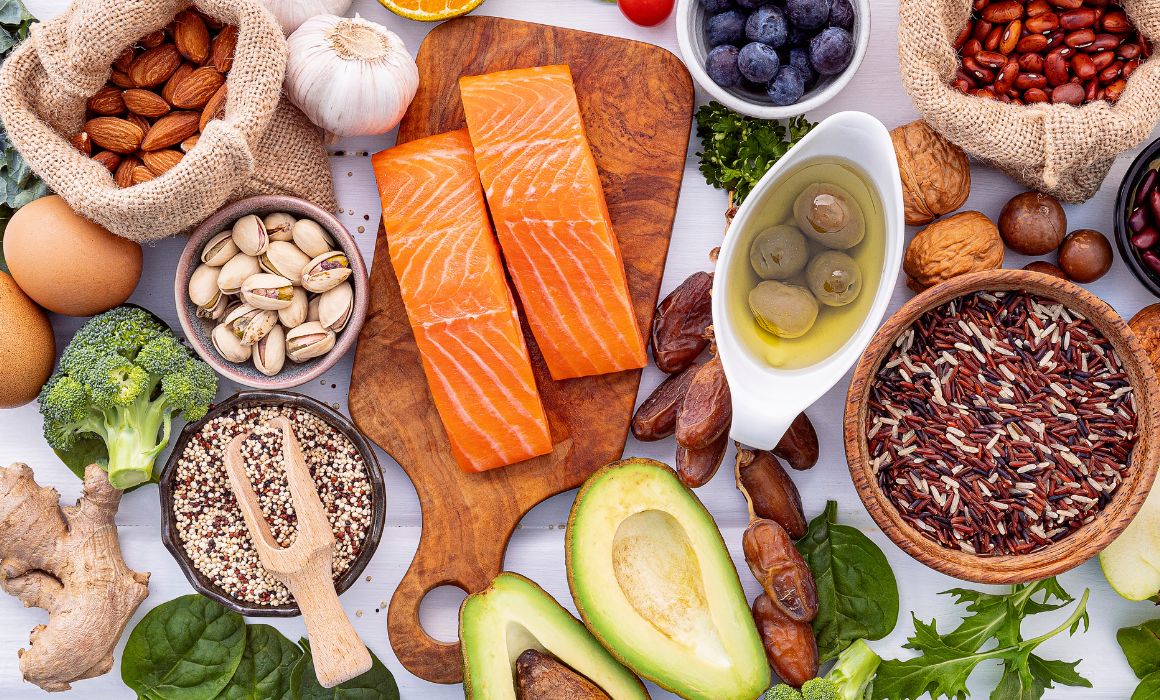
  7. Nuts and Seeds: Almonds, walnuts, chia seeds, and flaxseeds are packed with fibre, healthy fats, and antioxidants that nourish gut bacteria and support overall health.
  8. Herbs and Spices: Garlic, ginger, turmeric, and cinnamon have anti-inflammatory and antimicrobial properties that can benefit gut health and enhance digestive function.
  9. Wild-Caught Fish: Salmon, mackerel, sardines, and other fatty fish are rich in omega-3 fatty acids, which have anti-inflammatory effects and may support a healthy gut microbiome.
  10. Organic Lean Meats: Grass-fed beef, free-range poultry, and pasture-raised eggs provide high-quality protein and essential nutrients without the antibiotics and hormones often found in conventionally raised meat.

Incorporating unprocessed foods into your diet is a simple yet powerful way to support gut health and nurture a diverse and resilient microbiome. By choosing whole, nutrient-dense foods, you provide your body with the building blocks it needs to thrive, while minimising the intake of harmful additives and preservatives that can disrupt gut microbial balance.

Remember, small changes can lead to significant improvements in gut health over time. Start by gradually incorporating more unprocessed foods into your meals and paying attention to how your body responds. Your gut—and your overall well-being—will thank you for it. Drop me a message if you want to discuss unprocessed diets in more detail. 


How do you spend your ‘rest days’?

Rest days are an essential component of any fitness routine. I always advise people to have 1-3 rest days per week, depending on their goals and training schedule.


While it might be tempting to spend your rest days lounging on the couch, incorporating light, enjoyable activities can actually enhance your overall well-being and complement your fitness goals. The point of these rest days is to help your body recover between gym sessions and contribute to your overall fitness journey.

Gentle yoga or stretching

I love doing a gentle yoga flow or a dedicated stretching session. Both will help flexibility, mobility, and posture while promoting relaxation and stress relief. Focus on deep stretches that target tight muscles, paying attention to areas of the body that may be fatigued from your workouts. Practising mindfulness during your yoga or stretching session can also help alleviate mental stress and promote mental clarity.

Get outdoors

Spending time outside is not only rejuvenating for the mind but also beneficial for the body. On your rest days, take a leisurely walk in a nearby park or nature reserve, or embark on a light hike on a scenic trail. Being surrounded by nature can reduce stress levels, improve mood, and boost creativity. Plus, walking or hiking at a moderate pace provides a low-impact form of exercise that promotes cardiovascular health and strengthens leg muscles.

Active recovery workouts:

While rest days are meant for recovery, incorporating light, low-impact activities can actually aid in the recovery process. Consider engaging in active recovery workouts such as swimming, cycling, or gentle bodyweight exercises. These activities increase blood flow to sore muscles, helping to flush out metabolic waste products and reduce muscle stiffness. Keep the intensity low and focus on moving your body in a way that feels good and promotes relaxation.

Mindful meditation or breathing exercises

Rest days are the perfect opportunity to prioritise mental wellness and relaxation. Spend some time practising mindfulness meditation or deep breathing exercises to calm the mind and reduce stress levels. Find a quiet space, sit or lie down comfortably, and focus on your breath, allowing thoughts to come and go without judgement. Mindful meditation not only promotes relaxation but also improves focus, resilience, and emotional well-being.

Foam rolling or self-massage

Treat your muscles to some self-care on your rest days by incorporating foam rolling or self-massage techniques. Foam rolling helps release tension in muscles, improve circulation, and enhance flexibility. Spend a few minutes targeting different muscle groups, focusing on areas that feel tight or tender. You can also use massage balls or massage guns for targeted relief. Not only does self-massage aid in muscle recovery, but it also promotes relaxation and reduces the risk of injury.

Sports Massage

For those who can’t quite release the muscle tension on their own, going for a sports massage could be a game changer.  Whenever I’ve had them I always feel relaxed, rejuvenated and tend to perform better in my next fitness session. I suggest my clients who train regularly to have a sports massage at least once a month, as it helps to keep you in tip top condition and prevent injuries.


Rest days are an integral part of any fitness routine, allowing your body to recover and recharge for optimal performance. By incorporating light, enjoyable activities on your rest days, you can enhance the recovery process, improve overall well-being, and support your long-term fitness goals. 

If you’d like to talk to me about your fitness goals, drop me a message here 


Move Better     |     Think Better     |     Live Better

Move Better 
Think Better  |  Live Better

Privacy Settings
We use cookies to enhance your experience while using our website. If you are using our Services via a browser you can restrict, block or remove cookies through your web browser settings. We also use content and scripts from third parties that may use tracking technologies.
Youtube
Consent to display content from - Youtube
Vimeo
Consent to display content from - Vimeo
Google Maps
Consent to display content from - Google