
Chasing Highs: The Search for Dopamine in Everyday Life
Lets dive into our modern habits—from fitness and social media to shopping and workaholism—and how all of these are tied to our brain’s craving for dopamine. Here we unpack why we’re constantly seeking stimulation, how it affects our mental health, and how to rebalance for lasting well-being.
Fitness addiction is a behavioral issue where the need to exercise becomes compulsive and damaging, even when rest is needed. What makes it tricky? Society often praises overtraining as “discipline” or “grind,” masking deeper struggles underneath.
1. So, put simply, what Is Dopamine really
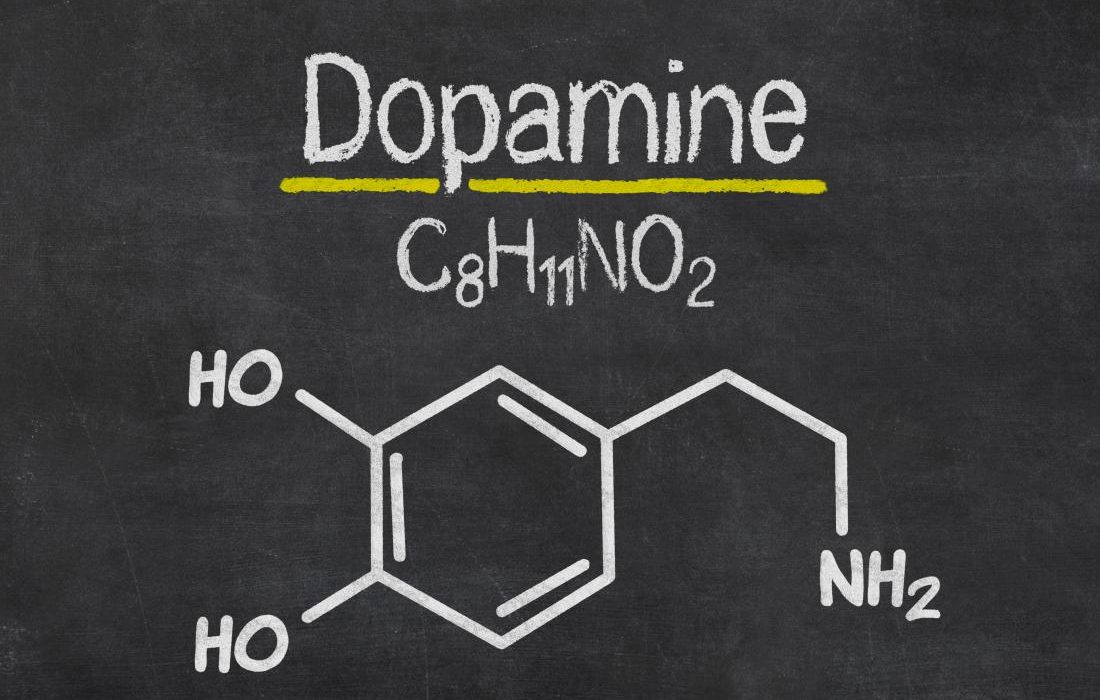
A quick explanation: Dopamine is a neurotransmitter associated with reward, motivation, and pleasure. It’s not about happiness—it’s about wanting and how the brain learns to associate certain behaviors with dopamine release.
2. Modern methods of dopamine
-
Social media (likes, scrolling, FOMO)
-
Exercise and fitness highs
-
Shopping, food, caffeine, even productivity
-
Reading a book
-
Saunas/cold plunges
3. How does fitness tie in?
Exercise naturally boosts dopamine, but overuse can become addictive. The danger of chasing the “runner’s high” to cope with stress or emptiness.
Dopamine is released when you anticipate or receive a reward. In fitness, those rewards might be:
-
Physical changes (e.g., muscle tone, weight loss)
-
Achievement (e.g., running a 5K, lifting heavier)
-
Social validation (e.g., likes on a progress post)
-
App-based goals (e.g., streaks, rings, leaderboards
6. Final Thoughts
Dopamine isn’t the enemy, but our relationship with it matters. True satisfaction doesn’t come from constant highs, but from sustainable habits, real connection, and a deeper understanding of ourselves. In a world that constantly rewards extremes, the real power is in balance. Your workouts should fuel your life, not dominate it. By understanding the role dopamine plays in fitness, you can build habits that are energizing and feel good, but not exhausting and causing burnout.
To rebalance dopamine I often celebrate consistency over intensity, embrace rest days and rest periods and also remember to do low and slow releasing dopamine activities such as Grounding, walking without music or my phone, and training outdoors to connect more with nature.


