
My ADHD discovery and coping strategies
In 2021, at the ripe age of 36, I received a life-changing diagnosis of ADHD. I had hoped that it would provide the answers I had been seeking, but instead, it left me with more questions.
ADHD is often portrayed as a condition that can be cured with medication, but my experience has shown me that it’s not always that simple. Living with ADHD has presented challenges that have affected all areas of my life including my mental health.
Being neurodivergent has brought its fair share of difficulties into my life. It has impacted my relationships with partners, family, and friends, often leaving me feeling anxious and confused. I’ve sometimes found myself succumbing to impulsive behaviours in search of quick dopamine fixes. However, I’ve learned that understanding and embracing my neurodivergent nature is a crucial step toward finding peace and acceptance.
I often find it really hard to focus and anxiety is an unwelcome constant in my life. Having my routine disrupted can affect me so negatively and things being disrupted quite a lot during the COVID lockdowns was the catalyst I needed to understand more about my brain and why I behaved in certain ways.
Even as a child, I remember acting impulsively or needing to expel a build-up of energy in some way and never understanding why. Every single parents evening at school would be based around the theme of “Matthew is a nice boy, but we simply cannot get him to stop talking”.
But it’s not all doom and gloom! During my darkest days, I’ve been fortunate to have the support of some amazing individuals in my life. Their understanding and encouragement have been invaluable. Having a strong support network can make a world of difference when dealing with the challenges of ADHD. They’ve provided me with the reassurance and guidance I needed, reminding me that I’m not alone in this journey.
In addition to this, since my diagnosis, I have gone on a bit of a journey to try to find ways of embracing my neurodivergent side, whilst looking after myself and discovering strategies I’ve found support that has helped me navigate this journey. I also credit my job and lifestyle to helping calm my brain.
Here are my top tips for dealing with anxiety:
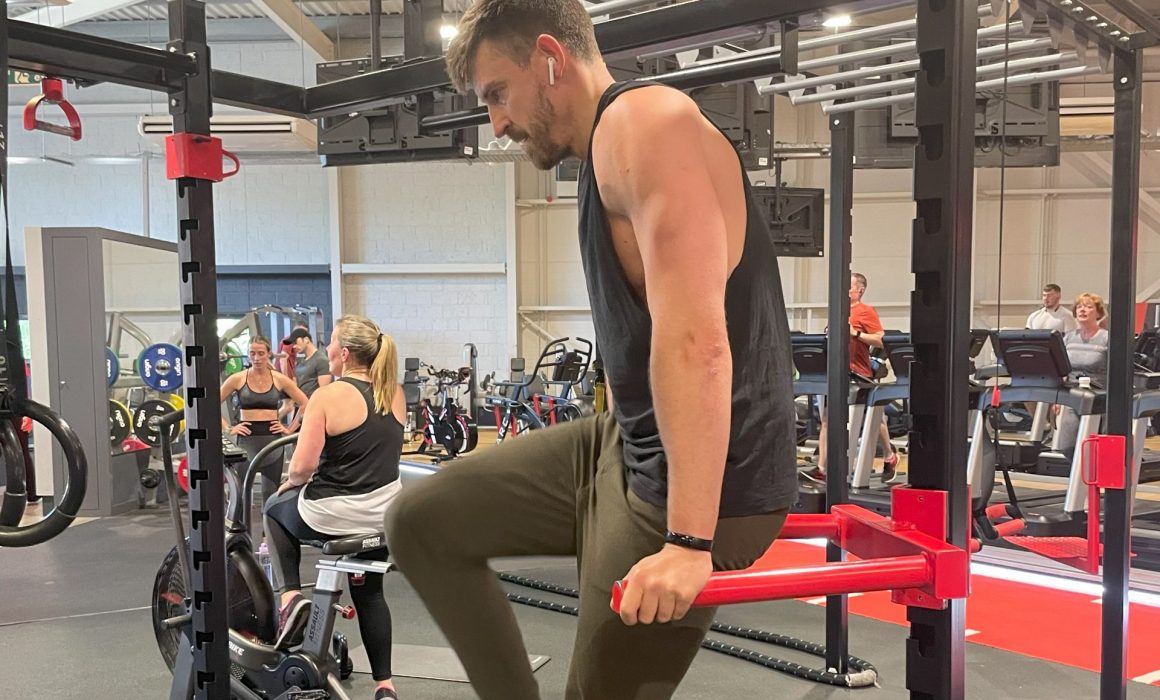
1. Exercise and movement: Working out is a great outlet for people with anxiety and ADHD. Having been doing this for nearly 20 years, little did I know I was already helping myself. Coaching people on their fitness journey is something that gives me a dopamine hit every time I see a client getting physically stronger or reaching their goals. Working in the fitness industry has really helped me channel my energy in a positive way.
2. Keeping to a routine: having a structured routine helps me maintain a sense of order and stability. I can focus on what I can control, letting go of what I can’t – therefore alleviating anxiety caused by uncertainty.
3. Eating a nutritious diet: Minimising processed foods helps me think clearer, and manage my blood sugar and means I have the energy for more vigorous exercise which helps the feel good spiral go up further.
4. Writing my feelings down: Frees up mental bandwidth so I’m not ruminating on unhelpful negative thought loops. Also, the next time a similar situation occurs I have a blueprint for how to deal with it!
Everyone’s journey with ADHD and anxiety is unique, it’s important to find what works best for you. I hope these tips can help you!


